How to Schedule Recurring AI Agent Jobs in Slack Without Silent Failures
A scheduled Slack AI agent that "succeeds" while nobody receives the result is a silent agent failure, worse than a job that fails loudly. Business operations leaders and IT admins already feel this pain when weekly metric digests disappear, support prep runs overnight without a thread, or a retry quietly repeats a write. Unattended work needs a stricter contract than an interactive mention in a busy channel.
If you own recurring multi-tool agent jobs inside Slack, use this as an operations control plan. It covers cadence design, fixed identity, delivery proof, stale-source refusal, idempotent retries, and write approvals. Use it when the agent must search knowledge, pull numbers, inspect code context, draft support answers, or process files on a schedule without a human watching every fire.
Why scheduled agent jobs fail differently than chat prompts
Interactive Slack agents usually fail in front of someone. A teammate sees a wrong answer, a missing citation, or a permission denial and can correct the request. Scheduled jobs fail in the dark. The fire still happens. The model may finish. The status field may say the run was fine. The channel can still be empty.
Recent practitioner reports from open-source agent schedulers show the same pattern across products. OpenClaw issue #17905 describes cron runs that report status: "ok" while Slack delivery returns channel_not_found, plus jobs for non-default agents that are skipped without a clear owner alert. OpenClaw issue #10211 reports isolated cron jobs that complete successfully while announce delivery to Slack never happens. Hermes Agent issue #5861 documents execution marked ok when messaging delivery fails and argues for a distinct delivery_failed state. Treat those as author reports about specific implementations, not as a claim about every vendor. The operations lesson still holds: execution and delivery are different outcomes.
Slack's own platform docs reinforce that schedules can run without a person in the loop. Scheduled triggers are automatic once created and can fire on hourly through annual cadences. Sending and scheduling messages explains chat.scheduleMessage, the chat:write scope, and the 120-day scheduling limit. Platform scheduling is necessary and not sufficient. Your agent still needs identity, source freshness, write gates, and proof that the intended Slack destination actually received the result.
Write an unattended-run contract before you pick a cron string
Start with the operational job, not the crontab. Name the owner, the audience, the systems the agent may open, the actions it may take, and what "done" means in Slack.
A useful schedule contract records:
- cadence and timezone, including daylight-saving behavior;
- destination channel or thread, plus a fallback owner DM;
- acting identity for permissions;
- allowed tools and denied tools;
- required sources and freshness rules;
- actions that may post versus actions that require approval;
- retry budget and idempotency key;
- separate fields for execution status and delivery status;
- alert route when either status is not success.
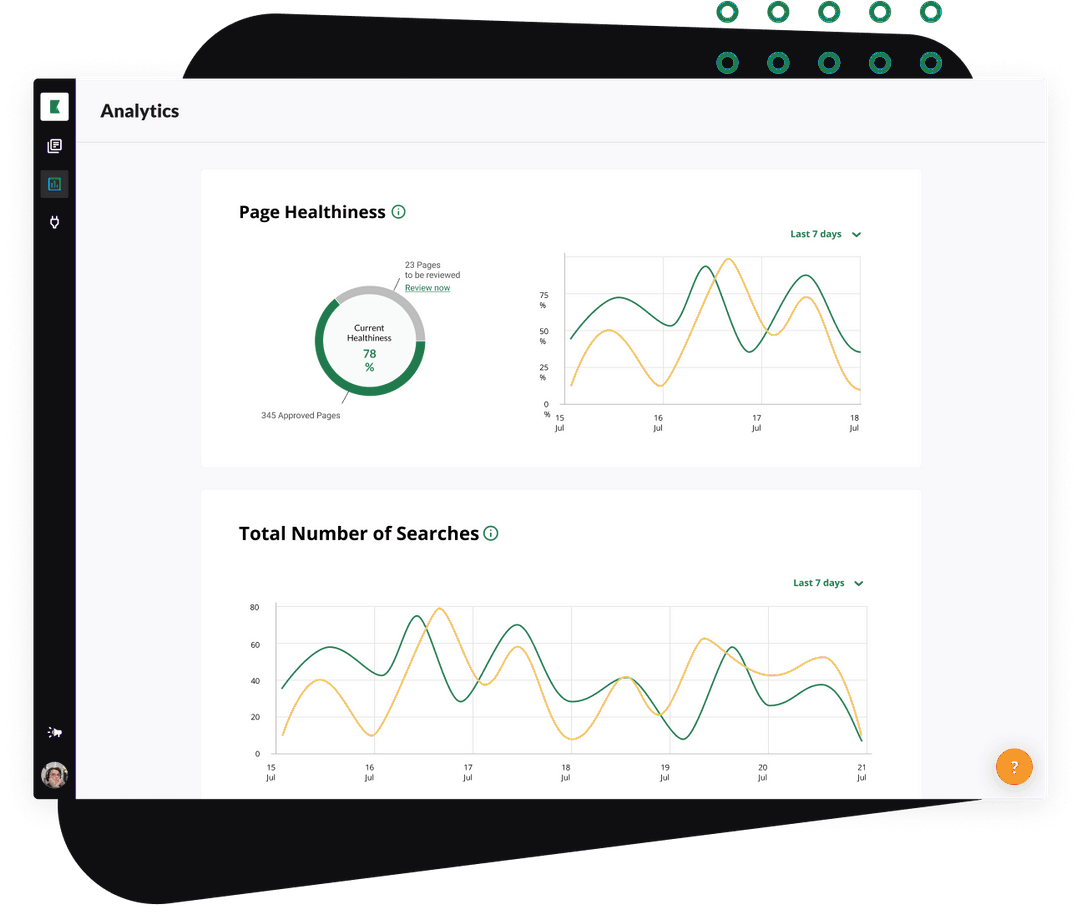
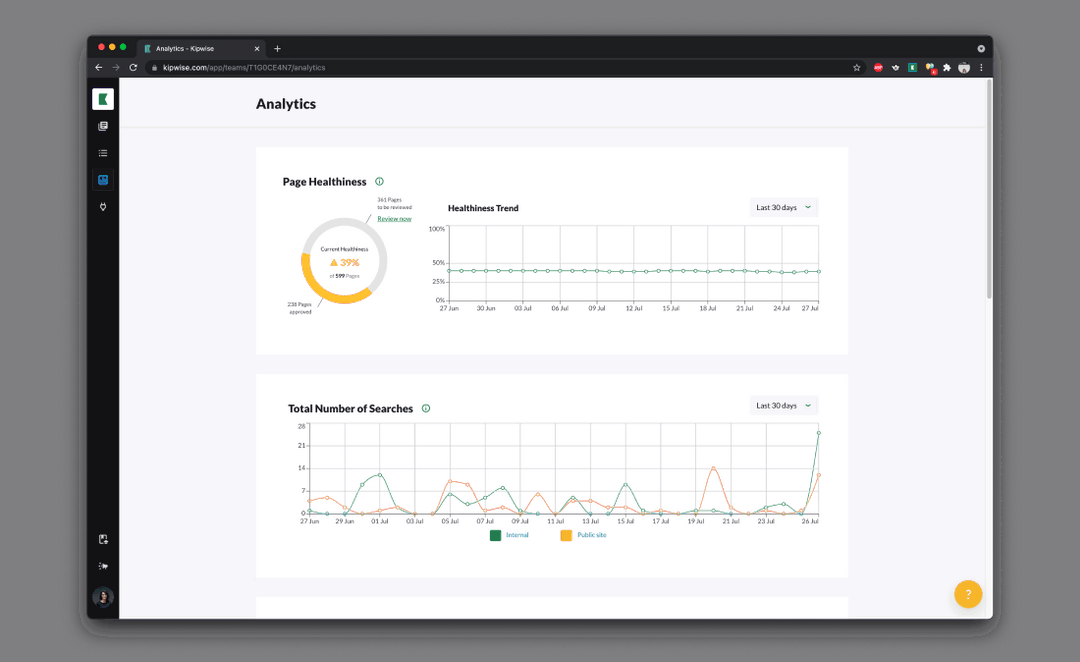
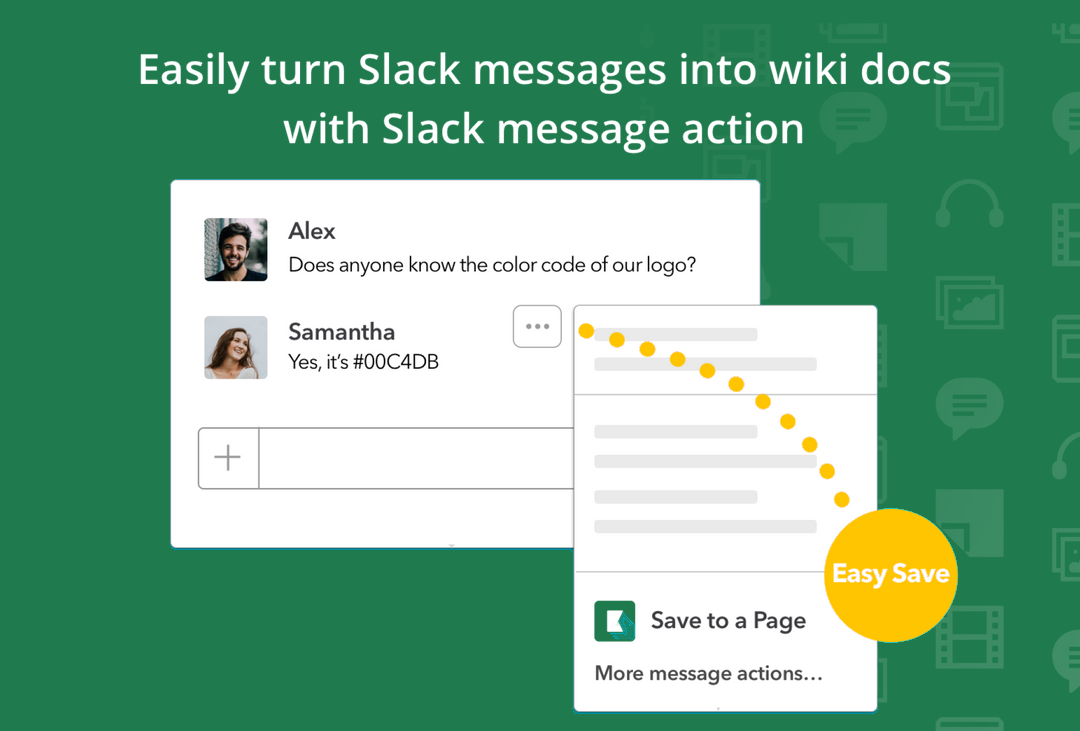
Kipwise Agent fits this contract as a thread-native work agent. A teammate can mention it once and continue with ordinary replies. It can search and write Kipwise knowledge, work with GitHub under safeguards, fetch Google Search Console, Analytics, and Ads data, draft support answers from Intercom and help-center evidence, process files in an isolated sandbox, and run scheduled requests. Applicable actions use the requesting user's permissions. It cites sources it opened, refuses to guess, and keeps consequential writes explicit. Mention those product behaviors once here, then design the schedule around the same rules.
Do not reuse an interactive thread's ambient identity for an overnight job. The person who last replied may have left the company, lost a role, or never had access to the metrics source the schedule needs.
Bind a fixed acting identity and re-check permissions at fire time
Unattended jobs need a named principal. That principal can be a service role owned by operations, or a named human owner whose access is intentionally broad enough for the job and narrow enough for least privilege. What matters is that the schedule does not inherit whoever happened to talk to the agent last week.
At fire time, re-resolve current permissions. Role changes, channel membership changes, and revoked connector grants are common between Monday and next Monday. A schedule that cached "allowed" last month will eventually post from stale authority or fail in a confusing way.
Make denial a first-class outcome. If the acting identity cannot read Search Console, open the help center collection, or access the GitHub repository named in the contract, the job should stop with a clear permission failure and notify the owner. Do not let the agent improvise from memory or from a neighboring public page.
This is one of the underrepresented controls in generic "add a Slack cron" guides. Many tutorials explain how to fire on a cadence. Fewer tell admins to treat requester identity as a live authorization check rather than fixture metadata.
Separate execution success from Slack delivery success
Define two statuses for every run:
- Execution: Did the agent complete the contracted steps without an unhandled error?
- Delivery: Did the contracted Slack destination receive the result, escalation, or explicit empty-result notice?
A run can execute cleanly and still fail delivery when the bot is missing from the channel, the destination ID is wrong, a scope is missing, or the workspace rejects the post. Practitioner threads above exist because products collapsed those outcomes into one green status. Your operations console should not.
Required delivery proof looks like an API acknowledgement tied to the destination, plus a durable run record that stores the message timestamp or scheduled-message ID when Slack returns one. If delivery fails, mark delivery_failed, keep the generated artifact for replay, and page the owner. Do not mark the schedule healthy.
For empty but valid results, still deliver a short notice: "No incidents in window" or "No stale pages above threshold." Silence is not a successful empty result unless the contract explicitly allows quiet success and a separate heartbeat still proves the scheduler is alive.
Guard stale sources before the agent answers
Scheduled jobs are uniquely exposed to connector rot. A weekly digest that keeps answering after Analytics, Search Console, Intercom, or the internal wiki stops syncing teaches the company the wrong story with high confidence.
Add a freshness gate to the contract:
- each required source has a maximum age;
- each required source has a reachable health check;
- if any required source is stale or unreachable, the agent refuses the scheduled answer and alerts the owner;
- optional sources may be omitted only when the contract says so and the post labels the gap.
This is the second underrepresented insight for scheduled agents. Interactive users notice when a tool fails in the thread. Overnight readers assume the digest is complete. Refusal is safer than a confident summary of last month's index.
When the agent can answer, require citations to opened sources only. If it did not open a page or file, it should say so rather than inventing a reference. That rule matters more when nobody is watching the run.
Make retries idempotent and keep writes behind approval
Unattended retries create duplicate side effects. CrewAI issue #5802 is a practitioner report of tools re-executing after retry without an idempotency guard, with examples that include duplicate external actions. Whether or not you use that framework, the failure mode is real for scheduled agents that create tickets, update wiki pages, merge pull requests, or send customer-visible drafts.
Give every schedule fire a logical request ID derived from job ID plus period start. Pass that ID to every consequential tool. Before a write, reconcile the destination for an existing object with the same ID. If the previous attempt already created the artifact, return the existing result instead of creating a second one.
Separate retry classes:
- Transport retries before any model call or tool call: safe to repeat when no side effect started.
- Model or tool retries after partial work: allowed only with idempotency keys and destination reconciliation.
- Delivery retries after successful execution: replay the stored artifact to Slack without re-running tools.
Keep consequential writes explicit. Publishing a wiki page, approving a review, sharing to a broad channel, or preparing a customer-visible reply should require an approval checkpoint or a tightly scoped allowlist with an owner who accepts residual risk. Scheduled does not mean unsupervised for irreversible actions.
Durable workflow designs such as Vercel's Slack agent guide show another scheduling pitfall: a long-sleeping job can wake on an old deployment. Their daisy-chain pattern starts the next weekly run with deploymentId: "latest" so the schedule picks up current code. Whatever scheduler you use, make sure a code or prompt change is what actually runs next Monday.
Worked example: Monday operations digest with safe unattended rules
Imagine a business operations owner wants a Monday 09:00 Europe/Tallinn digest in #ops-daily that covers:
- Search Console queries with sharp CTR drops;
- open severity incidents from the internal wiki status page;
- draft support replies waiting in Intercom that need policy citations;
- GitHub pull requests labeled
needs-ops-review.
Contract choices:
- acting identity:
ops-bot-owner@company, not the last human who chatted with the agent; - tools allowed: Search Console read, wiki read, Intercom read, GitHub read;
- tools denied: wiki publish, Intercom send, GitHub merge;
- freshness: Search Console and wiki must have synced within 24 hours or the job refuses;
- delivery: post to
#ops-dailythread root created by the schedule; on delivery failure, DM the owner and setdelivery_failed; - writes: the agent may draft wiki updates and support answers as private artifacts, but publishing or sending requires a human approval message in the thread during business hours.
When Search Console is stale, the Monday post should say the digest was blocked and why, not invent traffic commentary. When delivery fails, the owner gets the artifact in DM and the schedule board shows red for delivery even if execution was green. When a human later says "publish the wiki draft," that interactive approval is a different transaction from the schedule fire, with its own audit record.
Build the operations board your on-call will actually use
Admins need a short board more than another dashboard wallpaper. For each job show:
- next fire and last fire in the owner's timezone;
- last execution status and last delivery status;
- acting identity and permission check result;
- source freshness results;
- retry count and last idempotency key;
- link to the Slack message or the failure alert;
- owner and backup owner.
Alert on first delivery failure, repeated permission denials, freshness refusals, and failure streaks. Do not alert only on process crashes. The expensive failures in practitioner reports were green crashes: the job finished and the message never arrived.
Also budget the schedule. Unattended fan-out across many tools can spend quietly. Keep a per-job token and tool ceiling, and fail closed when the ceiling is hit mid-run rather than continuing into low-value tool thrash. Cost control is adjacent to reliability here because retries and silent re-runs are how spend and duplicate writes arrive together.
Pilot checklist for the first two weeks
- Pick one recurring job with a clear owner and a non-customer-facing destination.
- Write the contract fields listed above and store them with the schedule definition.
- Prove a manual fire in a staging channel with the same identity and tools.
- Force a delivery failure once on purpose and confirm the status board does not say ok.
- Force a stale-source condition once and confirm the agent refuses instead of summarizing.
- Force a retry after a partial write in staging and confirm the idempotency key prevents duplicates.
- Only then enable the production cadence.
- Review seven days of execution-versus-delivery results with the owner before adding a second job.
A good pilot result is not "the agent posted something." Every fire should show an explainable pair of statuses, refuse bad sources, avoid duplicate writes, and notify a human when Slack never got the result.
Underrepresented controls to keep on the schedule board
Treat agent execution success and Slack delivery success as separate statuses so an overnight job cannot look healthy while nobody received the result. Bind every schedule to a fixed acting identity and re-check current permissions at fire time instead of inheriting whoever last mentioned the agent. Refuse scheduled reads and writes when a required source is stale or unreachable rather than posting a confident answer from old cache.
Those three controls change release decisions. Without separate statuses, on-call trusts a green board that hides missing digests. Without a fixed identity check, Monday's job borrows Friday's human permissions. Without stale-source refusal, the company reads last month's metrics as if they were fresh.
What to do next
Scheduled Slack agents are an operations surface, not a novelty cron. If your team already uses a thread-native agent for interactive work, extend the same permission, citation, and explicit-write rules to the schedule instead of inventing a second, weaker mode for nights and weekends.
Start with one digest or prep job, separate delivery from execution, bind identity at fire time, and refuse stale sources. Those three controls prevent most silent failures before you automate anything customer-visible.
References
- Slack Developer Docs: Creating scheduled triggers documents automatic scheduled triggers and cadence options.
- Slack Developer Docs: Sending and scheduling messages documents
chat.scheduleMessage, scopes, and scheduling limits. - Vercel: Building a Slack agent with durable workflows shows durable Slack-agent scheduling patterns including daisy-chained weekly runs.
- OpenClaw issue #17905 is an author report of Slack cron delivery failures masked as ok.
- OpenClaw issue #10211 is an author report of successful isolated cron runs with no Slack delivery.
- Hermes Agent issue #5861 is an author report motivating a distinct delivery_failed status.
- CrewAI issue #5802 is an author report of tool re-execution on retry without an idempotency guard.
- Kipwise Agent is the product context for scheduled requests, user-bound permissions, citations, guarded tools, and sandboxed file work.